

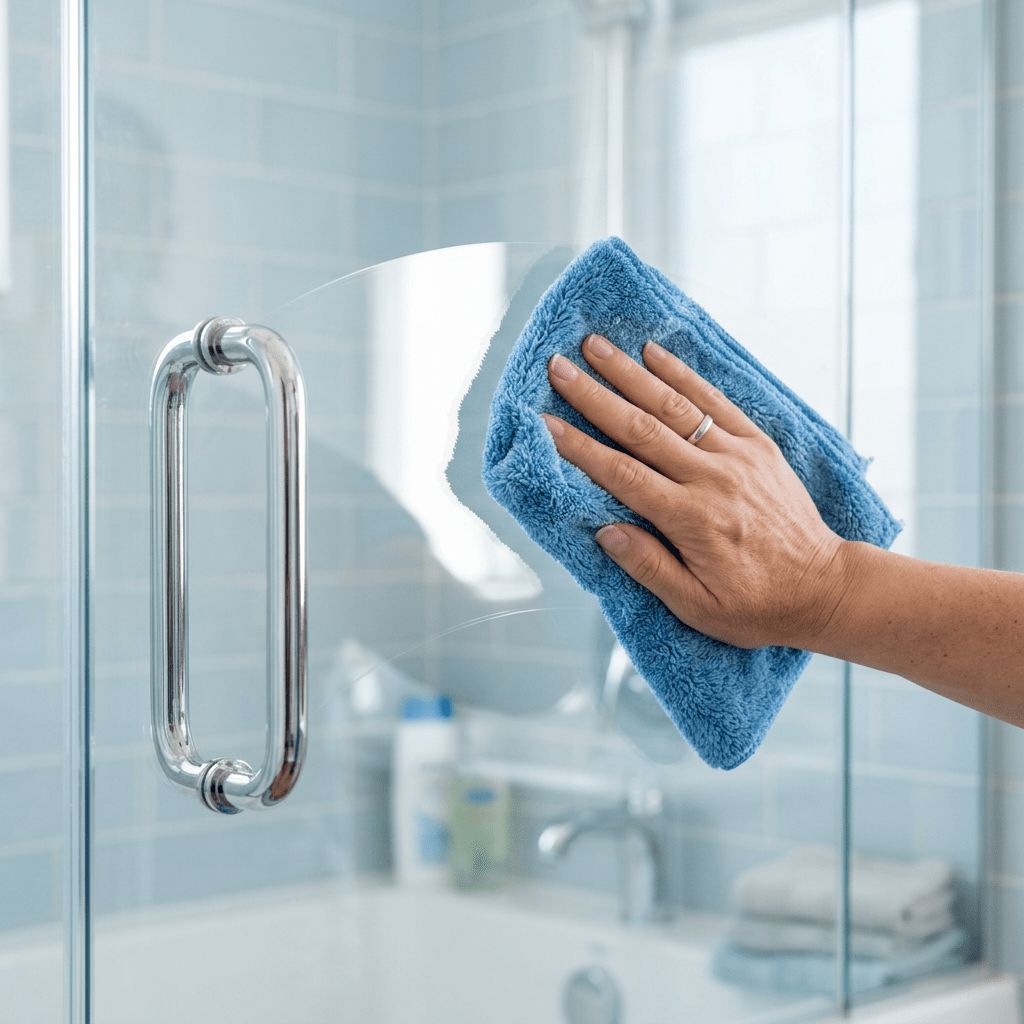
You check into a hotel room, step into the bathroom, and there they are — flawless, crystal clear glass shower doors without a streak, smear, or trace of soap scum in sight. Meanwhile, your shower doors at home look like they’ve been frosted on purpose. So what’s the secret? What do hotels use to clean glass shower doors that the rest of us don’t know about?
The answer isn’t a magic potion. Hotels rely on a combination of the right cleaning tools, professional-grade cleaning solutions, and disciplined daily cleaning routines that most homeowners simply don’t follow. In this guide, we’re pulling back the curtain on every trick, product, and method hotel housekeeping teams use — so you can get that same sparkling result in your own bathroom.

The Real Enemy: Soap Scum and Hard Water Stains
Before you can effectively clean glass shower doors, you need to understand what you’re actually fighting. There are two main culprits behind cloudy, dull shower glass.
Soap Scum
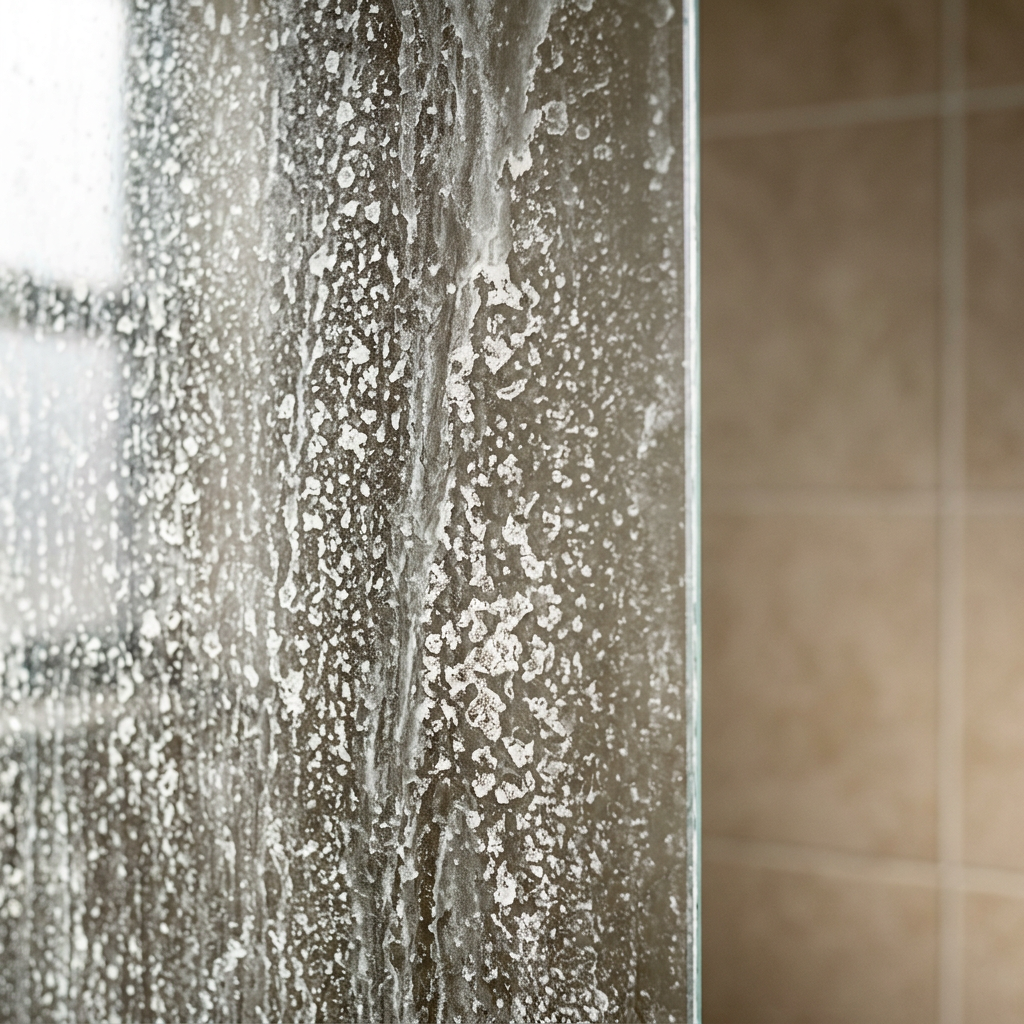
Soap scum forms when the fatty acids in bar soap react with the minerals in your water. Every time someone showers, a thin layer of this waxy residue bonds to the glass surface. Body oils from showering also contribute to this film, making it stickier and harder to shift with every passing day. Over time, layers of soap scum buildup create that foggy, grimy appearance that feels rough to the touch.
Hard Water Stains and Mineral Deposits
If you live in an area with hard water — water that contains high concentrations of calcium and magnesium — you’ll also battle mineral deposits. Every time water droplets evaporate on your shower glass, they leave behind chalky deposits that accumulate into white, crusty patches. These hard water stains can be particularly stubborn because they bond to the glass at a chemical level. Tackling hard water stains early, before they etch into the surface permanently, is the professional approach.
Understanding the difference matters because soap scum and hard water buildup respond to different cleaning methods. Hotels train their staff to identify both and treat them appropriately — a practice worth adopting at home. If you’re noticing persistent cloudy buildup that won’t shift with regular cleaning, it’s worth considering whether your shower screens may have surface etching that goes beyond what cleaning can address.
The Melamine Sponge: The Hotel’s Secret Weapon
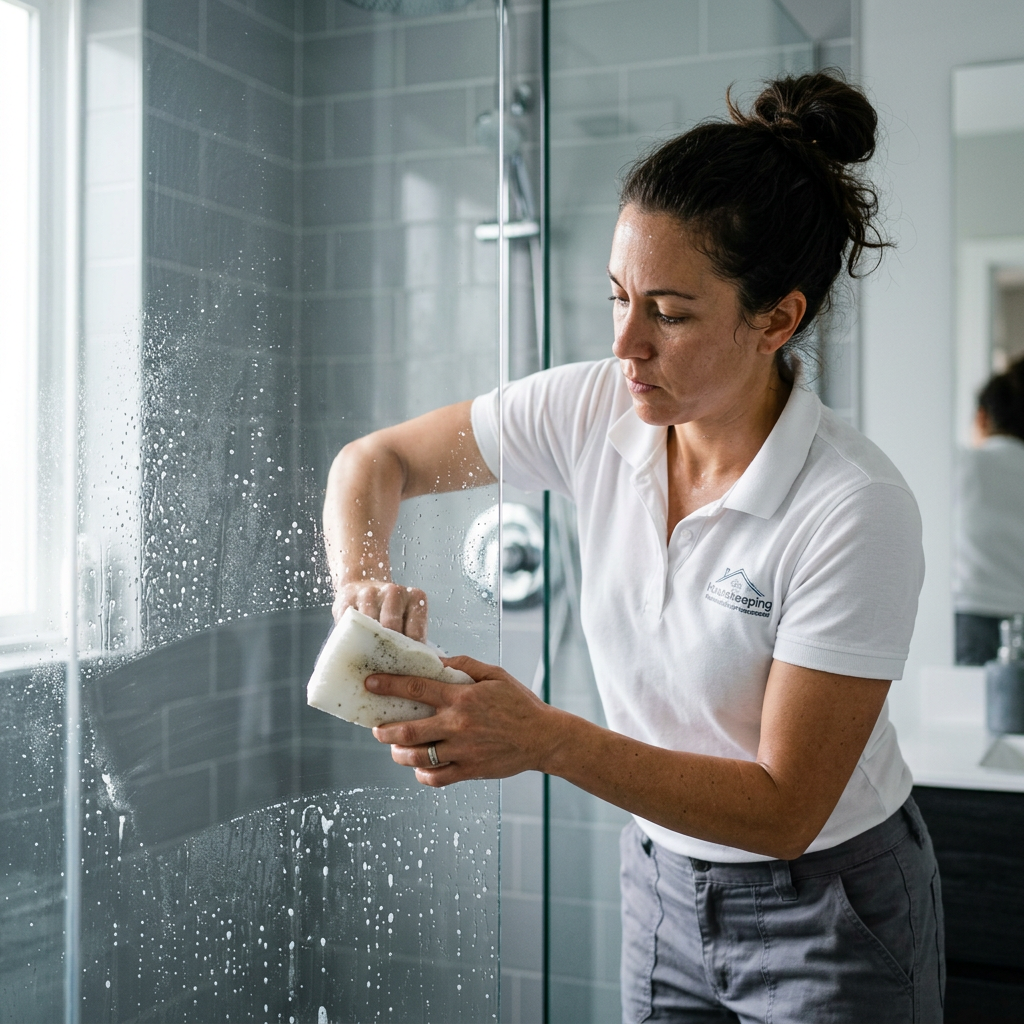
If there’s one tool hotel housekeeping teams swear by, it’s the melamine sponge — the technology behind products like the Magic Eraser. A melamine sponge is made from a micro-abrasive foam that works like ultra-fine sandpaper at the microscopic level.
When you dampen a melamine sponge with warm water and apply light pressure to a glass shower door, it lifts soap scum, hard water stains, and mineral buildup without scratching the glass surface — provided you use a gentle touch. The sponge acts almost like a micro-buffing pad, polishing the glass clean rather than just pushing grime around the way a regular sponge does.
The melamine sponge requires no cleaning chemicals — just water — and works quickly, allowing housekeepers to clean shower glass in under two minutes. It handles cloudy buildup on delicate surfaces that sprays alone can’t shift, and it’s inexpensive enough to replace frequently. For daily and weekly maintenance, it’s the single most effective simple tool you can add to your cleaning kit.
To use it: dampen the sponge thoroughly, apply light pressure in small circular motions from top to bottom, then rinse the glass with warm water and follow up with a microfiber cloth to wipe clean and prevent new water spots from forming.
Important: While the melamine sponge is safe for standard tempered glass, avoid using it on coated or tinted glass without testing a small corner first. The micro-abrasive action can dull specialty coatings — something worth keeping in mind if you have frameless shower screens with a factory-applied hydrophobic coating.
White Vinegar: The Eco-Friendly Cleaning Solution
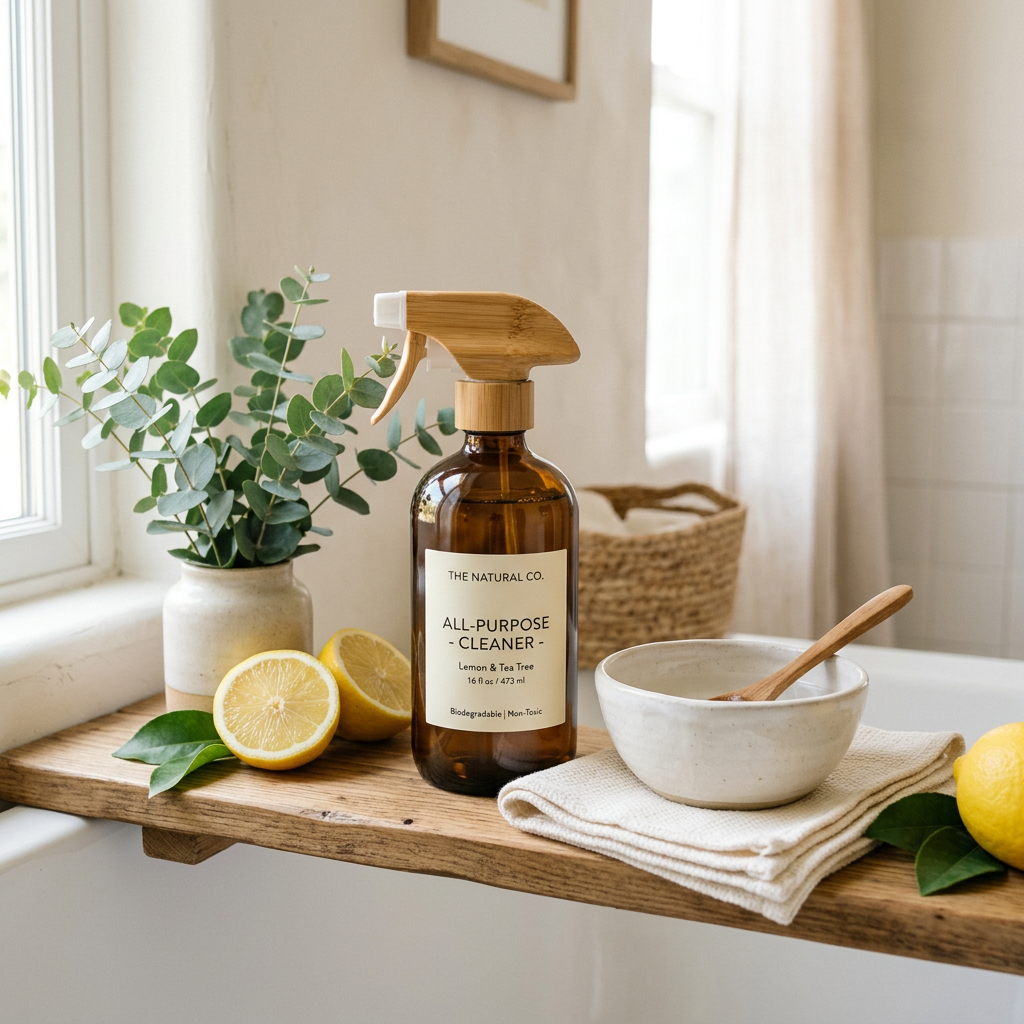
White vinegar is one of the most effective, eco friendly cleaning solutions for glass shower doors — and it’s been used in professional cleaning contexts for decades. The acetic acid in white vinegar dissolves mineral deposits, cuts through soap scum, and breaks down hard water buildup that makes shower doors look cloudy, all without leaving behind a chemical residue.
Hotel cleaning teams that prefer eco-friendly methods typically prepare a vinegar solution by mixing equal parts white vinegar and warm water in a spray bottle. They spray the solution liberally across the shower glass, let it sit for a few minutes to allow the acid to break down mineral deposits, then wipe clean with a microfiber cloth or melamine sponge.
For tough stains and serious hard water buildup, undiluted white vinegar applied directly is a game changer. Soak paper towels in white vinegar and press them against the affected area of the glass, leaving them in contact with the surface for 15–30 minutes. The prolonged contact gives the acid time to dissolve even deeply embedded mineral buildup. Remove the paper towels, scrub gently with a melamine sponge, and rinse thoroughly with warm water.
Note: Never mix white vinegar with bleach or hydrogen peroxide — the combination produces harmful gases and is dangerous in an enclosed space. Avoiding harsh chemicals altogether when a vinegar solution will do the job is the smarter, safer approach.
Professional Shower Glass Cleaners Hotels Actually Use
While vinegar and melamine sponges handle daily and weekly maintenance, hotels also stock professional-grade shower glass cleaner products for deep cleaning sessions and for dealing with severe mineral deposits or heavy soap residue accumulation.
When choosing cleaning products, professional housekeeping staff look for pH-balanced formulations that won’t damage glass or grout seals, surfactant-based cleaners that actively lift soap scum and body oils rather than just masking them, and phosphoric or citric acid formulations for heavy mineral deposits. Streak-free formulas that don’t leave a film on the glass surface are a must.
Popular professional-grade cleaning products used in hotel bathrooms include Bar Keepers Friend for stubborn mineral deposits and soap scum, Invisible Shield Pro which cleans and coats glass in one step, and CLR (Calcium, Lime, Rust) for extreme hard water stains. These cleaning products are available to consumers and are significantly more powerful than standard supermarket shower sprays. Apply using a spray bottle, allow the appropriate dwell time as per product instructions, then agitate with a soft sponge before rinsing with warm water.
Avoiding harsh cleaning chemicals that aren’t formulated specifically for glass is important — the wrong product can damage seals and leave residues that are harder to remove than the original stain.
The Microfiber Cloth Method
Every hotel housekeeper carries a microfiber cloth, and for good reason. When it comes to achieving a streak-free, crystal clear finish on shower glass, the microfiber cloth is the most important tool in the kit — more important, even, than the cleaning solution itself.
Microfiber cloths work because of their structure. Each cloth contains millions of tiny fibres that are split during manufacturing, creating a surface with enormous surface area relative to its size. These split fibres grab and trap dirt, soap residue, and water droplets at the microscopic level rather than just pushing them across the glass.
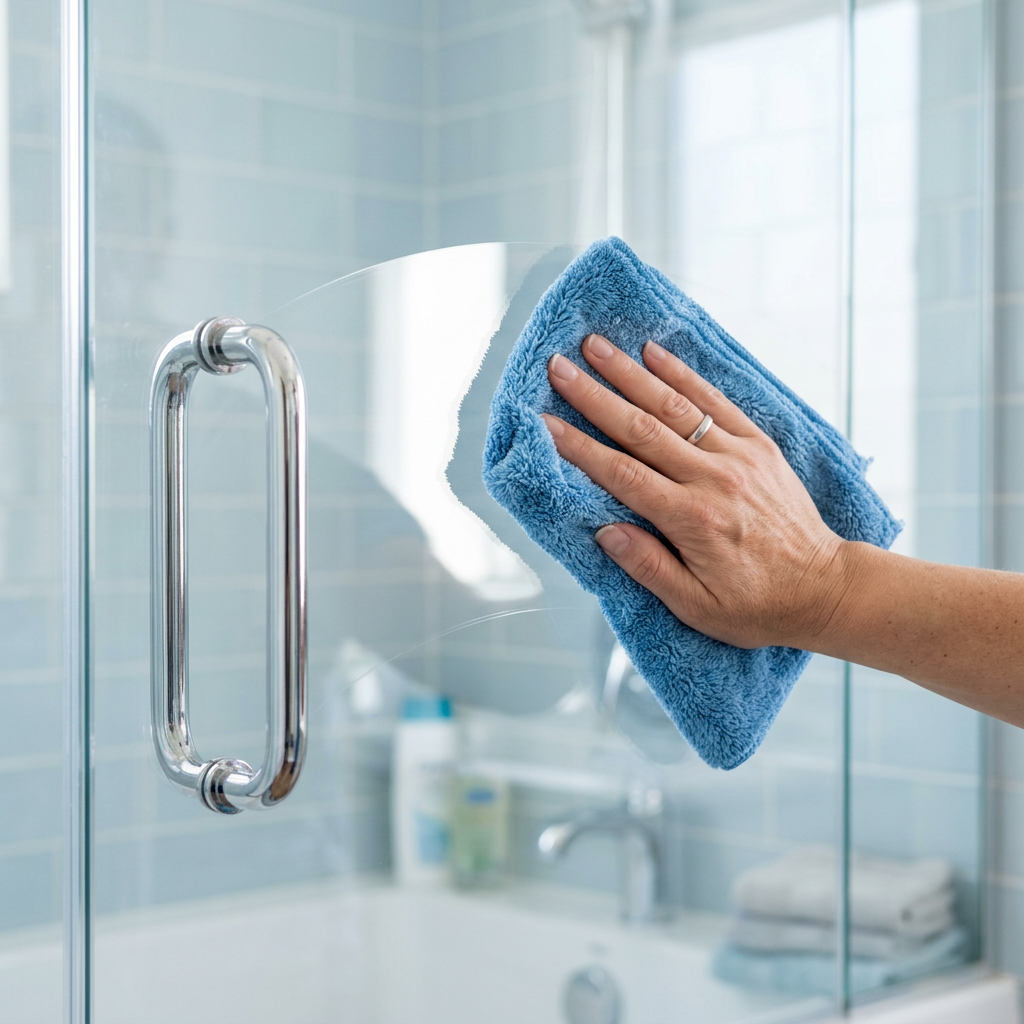
After applying and agitating the cleaning solution, housekeepers use a damp microfiber cloth to wipe the glass surface from top to bottom in overlapping horizontal strokes, then immediately follow up with a dry microfiber cloth to buff to a flawless finish and prevent water spots. This two-cloth method — one damp, one dry — is the professional standard for spotless glass doors.
For daily cleaning between deep cleans, a damp microfiber cloth alone wiped over the glass surface after every shower removes fresh soap residue and prevents hard water stains from forming. This takes less than 60 seconds and is the single most effective preventative measure you can take. Never substitute paper towels — they leave lint and can scratch delicate surfaces over time.
How to Clean Shower Door Tracks Like a Pro
The glass itself often gets all the attention, but experienced hotel housekeepers know that shower door tracks are where grime, mineral deposits, and mould accumulate fastest. Neglected tracks don’t just look bad — they can cause doors to slide poorly and harbour bacteria that no amount of glass cleaning will fix.
Start by pouring undiluted white vinegar directly into the shower door tracks and allowing it to sit for at least 10 minutes. The acid will penetrate and soften the hardened mineral deposits and soap residue that collect in the channels. After the dwell time, use an old toothbrush or a small detail brush to scrub the tracks thoroughly, working the bristles into every corner and crevice.
For particularly stubborn buildup in the tracks, make a paste from baking soda and water and apply it after the vinegar treatment. The mild abrasive action lifts remaining grime without scratching the track material. Rinse thoroughly with warm water and wipe dry with a microfiber cloth.
This is also where the style of your shower screen makes a real difference in your long-term cleaning workload. Frameless shower screens have minimal or no tracks at all, which dramatically reduces the surface area where mineral deposits and soap scum can accumulate. If you find yourself fighting track buildup constantly, it’s worth exploring whether a frameless or semi-frameless shower screen would reduce the problem at the source.
.
Car Wax and Protective Treatments: The Finishing Secret
Here’s a professional cleaning secret that genuinely surprises most people: many hotel maintenance teams apply car wax to clean glass shower doors as a protective coating after deep cleaning. This isn’t a cleaning hack reserved for car enthusiasts — it’s a legitimate professional technique with a solid practical basis.
Car wax creates a hydrophobic barrier on the glass surface that causes water to bead up and roll off rather than spreading across the glass and evaporating into mineral deposits. By repelling water droplets before they can evaporate, car wax dramatically slows the formation of hard water stains and soap scum buildup between cleaning sessions.
After thoroughly cleaning and drying your shower doors, apply a small amount of paste car wax to a clean, dry microfiber cloth. Rub onto the glass surface in small circular motions with light pressure until you’ve covered the entire glass surface. Allow the wax to haze (usually 5–10 minutes), then buff to a clear, flawless finish with a second clean microfiber cloth and allow to air dry for an hour before use.
Applied every one to three months, protective treatments like car wax can reduce cleaning frequency significantly and help keep glass shower doors looking crystal clear between sessions. It’s worth noting that many frameless shower screens from quality suppliers come with a factory-applied hydrophobic coating that provides this same effect from day one — which is one reason the cleaning maintenance burden on frameless screens tends to be lower than most people expect.
Preventing Future Buildup Between Cleans
The most efficient cleaning strategy minimises how much cleaning you need to do in the first place. Hotel housekeeping departments build preventing future buildup into their standard procedures alongside active cleaning — a mindset worth adopting at home.
Squeegee After Every Shower
Squeegeeing the shower glass after every use is the single most impactful daily habit for preventing hard water stains. A squeegee removes the vast majority of water from the glass surface before it can evaporate and leave behind mineral deposits. In under 30 seconds, you eliminate the primary mechanism by which hard water buildup and water spots form. Many hotels keep a squeegee mounted in the shower for guest use — a practice worth copying at home.
Leave the Shower Door Open After Use
Allowing air to circulate through the shower after use speeds drying and reduces the humidity that encourages soap scum and mould growth. Leave the shower door open or ajar after showering to let the glass surface air dry faster.
Switch to Liquid Soap
Bar soap is a significant contributor to soap scum because of its fatty acid content. Switching to liquid body wash dramatically reduces soap scum formation on shower glass — a simple change that makes cleaning glass shower doors noticeably easier and extends the time between deep cleaning sessions.
Daily Spray with a Preventative Solution
Some hotel bathrooms use daily shower sprays — light cleaning solutions applied to the glass surface after each shower that break down soap residue and mineral deposits before they bond. You can replicate this with a spray bottle of diluted white vinegar or a commercial daily shower spray. Spritz the glass after squeegeeing and allow it to air dry without rinsing. This three-step post-shower routine — squeegee, spray, leave open — is the professional standard for preventing future buildup between regular cleaning sessions.
The Full Hotel Deep Clean: Step-by-Step
Here’s the complete process hotel housekeepers follow for a full deep clean of glass shower doors.
Step 1 — Pre-rinse: Rinse the shower glass with warm water to remove loose soap residue and wet the surface. This prevents dry particles from scratching the glass during cleaning.
Step 2 — Apply the vinegar solution: Spray your vinegar solution generously across all glass surfaces. For areas with significant hard water buildup, apply undiluted white vinegar and allow it to sit for 5–15 minutes. This dwell time is critical — rushing this step is the most common mistake.
Step 3 — Work the melamine sponge: Using your dampened sponge with light pressure, work in small circular motions across the entire glass surface. Pay particular attention to areas with visible soap scum or chalky deposits. Rinse the sponge frequently to prevent redistributing grime.
Step 4 — Clean the tracks: While the vinegar continues working on the glass, scrub the shower door tracks with an old toothbrush and rinse thoroughly.
Step 5 — Wipe clean with a damp microfiber cloth: Use overlapping horizontal strokes from top to bottom to wipe away all loosened grime and cleaning solution residue.
Step 6 — Buff dry immediately: Follow with a dry microfiber cloth, buffing the glass to a streak-free, crystal clear finish. Work quickly — allowing the glass to air dry at this stage will cause water spots to form.
Step 7 — Apply protective treatment: Once completely dry, apply car wax or a glass sealant as a protective barrier. Buff to a clear finish and allow to cure before the next shower use.
Dryer Sheets and Other Cleaning Hacks
Dryer sheets for light soap scum: Dryer sheets are a surprisingly effective cleaning hack for light soap scum on shower glass. The fabric softener compounds in dryer sheets help break down the soap residue film, and the texture provides gentle abrasion without scratching. Dampen a dryer sheet and rub across the glass surface in circular motions, then rinse clean. This works best as a maintenance step for lightly soiled glass rather than for tackling established mineral buildup.
Baking soda paste for stubborn stains: A paste made from baking soda and a small amount of liquid dish soap creates an effective, gentle abrasive cleaner for tough stains. Apply with a soft sponge, work in circular motions, then rinse thoroughly. The mild alkalinity of baking soda cuts through soap scum while the dish soap helps emulsify body oils.
Lemon juice as a natural alternative: Like white vinegar, lemon juice contains citric acid that dissolves mineral deposits and hard water buildup. Halve a lemon and rub it directly across shower glass, squeezing gently as you go. The pulp provides light abrasion while the juice does the chemical work. Rinse and buff dry — useful for a few minutes of quick spot treatment between deep cleans.
Water Softeners: The Long-Term Prevention Strategy
If you live in an area with particularly hard water, no amount of regular cleaning will ever feel sufficient — the mineral deposits will keep coming back. This is a structural problem, and the most effective long-term solution is addressing your water supply directly.
Water softeners work by replacing the calcium and magnesium ions in your water supply with sodium ions through an ion exchange process. The result is softened water that doesn’t leave mineral deposits when it evaporates. Hotels in hard water areas frequently invest in whole-building water softeners as a cost-saving measure — softer water means dramatically less cleaning product consumption and less staff time spent on mineral buildup.
For home use, whole-house water softeners are the most comprehensive option, but showerhead-mounted water softeners and filters are a more affordable starting point. Water softeners also extend the life of glass and hardware — a meaningful consideration if you’ve recently invested in quality shower screens in Perth and want to protect that investment for the long term.
What to Avoid When Cleaning Glass Shower Doors
Harsh chemicals: Bleach-based cleaners, highly alkaline degreasers, and other harsh cleaning chemicals can damage the seals and frames surrounding shower doors and leave residues that are difficult to rinse from glass surfaces. Stick to pH-balanced cleaning solutions, vinegar, or purpose-formulated products.
Abrasive scrubbers: Steel wool, rough scouring pads, and abrasive bathroom scrubbers will scratch glass shower doors, creating micro-abrasions that collect grime and are impossible to reverse. A melamine sponge with light pressure is the maximum abrasion you should apply to glass surfaces.
Skipping the dry buff: Rinsing your shower doors and walking away is a guaranteed path to water spots. Always finish with a dry microfiber cloth to prevent water droplets from evaporating on the glass surface and leaving mineral deposits behind.
Letting cleaners dry on the glass: Don’t allow any cleaning solution to dry on the glass without wiping clean first. Apply, dwell, agitate, and rinse — in that order, every time.
When Cleaning Isn’t Enough: Know When to Upgrade
Sometimes the issue isn’t your cleaning method — it’s the glass itself. Older shower screens can develop permanent surface etching from years of hard water exposure and harsh cleaning chemicals, and at that point no amount of deep cleaning will restore them to crystal clear. Micro-scratches from abrasive scrubbers can also permanently compromise the glass surface, making it harder to clean and more prone to soap scum adhesion with every use.
If your shower glass is pitted, etched, or permanently cloudy despite your best efforts, it may be time to consider a replacement. Modern frameless shower screens are manufactured with toughened safety glass and factory-applied coatings that make cleaning significantly easier than older framed designs. Fully framed shower screens are also available if that better suits your bathroom layout. For Perth homeowners looking to replace ageing shower screens, requesting a quote from Glazewell is a straightforward starting point.