

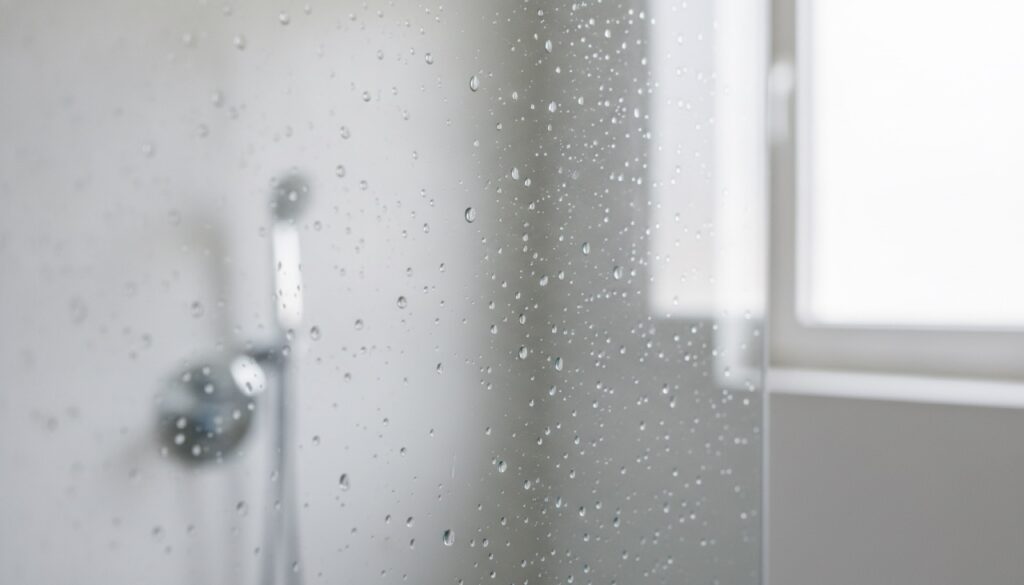
A new glass shower screen looks brilliant for the first few months — then the water spots, soap scum and cloudy film start to creep in. In Perth, where the water is hard, that build-up happens faster than most people expect. The good news is you can slow it right down. This guide explains how to protect your shower glass with coatings and good habits, what the different coatings actually do, and how to keep your screen crystal clear for years.
Key Takeaways
- Cloudy shower glass is caused by hard-water mineral deposits, soap scum and, over time, permanent etching of the glass surface.
- A protective coating makes glass water-repellent (hydrophobic) so water and minerals slide off instead of drying on.
- Coatings come in two forms: factory-applied treatments and aftermarket products you apply yourself, such as EnduroShield, ceramic or nano coatings.
- Coatings dramatically reduce cleaning but are not permanent — they wear and need reapplying over time.
- The best results come from combining a coating with simple daily habits: squeegee, ventilate and clean regularly.
Why Shower Glass Goes Cloudy in the First Place
To protect glass, it helps to know what you are fighting. Three things cloud a shower screen. The first is hard water: Perth’s water carries dissolved minerals like calcium and magnesium, and when droplets dry on the glass they leave behind a chalky mineral deposit (limescale). The second is soap scum — the film left by soaps and body washes, which bonds with those minerals into a stubborn layer. The third, and worst, is etching: if mineral deposits are left long enough, they can corrode the glass surface permanently, leaving a haze that no cleaning will remove. Protection is about stopping the first two before they ever cause the third.
What Is a Shower Glass Protective Coating?
A protective coating is a treatment applied to the glass that fills its microscopic pores and creates an ultra-smooth, water-repellent surface. On treated glass, water beads up and sheets straight off instead of clinging and drying — so minerals and soap have far less chance to bond. The effect is called hydrophobic, and it is the same principle as rain repellent on a windscreen. Less residue means less scrubbing, less harsh chemical use, and glass that stays clearer for much longer.
Types of Shower Glass Coatings
Factory-applied coatings
Some glass can be ordered with a protective coating already baked or bonded on at the processor. These tend to be the most durable because the coating is applied in controlled conditions. If you are buying a new screen, it is worth asking what protection options are available for the glass.
Aftermarket coatings you apply yourself
The most common option is a DIY coating applied to an existing screen. Well-known products include EnduroShield, along with various ceramic and nano coatings and polymer sealants sold at hardware and bathroom stores. These are designed for the home user, go on in under an hour, and typically last anywhere from several months to a few years depending on the product and how the shower is used.
Do Glass Coatings Actually Work?
Yes — a good coating noticeably reduces how often and how hard you have to clean. Water spots wipe away more easily, soap scum struggles to take hold, and the glass keeps its clarity for longer. What a coating will not do is last forever or replace cleaning entirely. The water-repellent layer gradually wears down through use and cleaning, so it needs reapplying periodically. Think of a coating as making maintenance easy, not making it disappear.
Coating vs Good Cleaning Habits — You Need Both
A coating and good habits work together. Even the best coating will eventually lose to a screen that is never squeegeed and never ventilated, and even the most diligent cleaner will battle hard water without some protection. The combination is what keeps glass clear with minimal effort: protect the surface, then keep daily build-up off it.
How to Apply a Protective Coating
If you are applying an aftermarket coating, preparation is everything — the coating only bonds to genuinely clean glass:
- Clean thoroughly first. Remove all existing soap scum and mineral deposits, because the coating seals in whatever is on the glass.
- Dry completely. The surface must be bone dry before you start.
- Apply per the product instructions. Most coatings are wiped on evenly and left to cure for a set time.
- Let it cure. Avoid using the shower until the curing time has passed so the coating sets properly.
If the glass is already etched or heavily stained, a coating will lock that haze in — in that case the glass may need professional restoration, or replacement, before it is worth coating.
How to Keep Shower Glass Clear Day to Day
These habits do most of the heavy lifting, coating or not:
- Squeegee after every shower. Thirty seconds removes the water before minerals can dry on — the single most effective habit.
- Ventilate. Run the exhaust fan or open a window to clear moisture and discourage build-up and mould.
- Clean weekly with a non-abrasive cleaner. Avoid scourers and harsh abrasives, which scratch glass and damage any coating.
- Act on hard-water spots early. In Perth’s hard water, don’t let deposits sit — the longer they stay, the closer they get to permanent etching.
Protect It From the Start: Choosing the Right Screen
The easiest screen to keep clear is a quality one, well installed. Good toughened glass with smooth, properly finished edges and solid hardware resists problems that cheap screens invite. As established Perth glaziers, Glazewell supplies and installs quality glass shower screens built to Australian Standard AS 1288 — and the team can advise on the glass and protection options that will keep your new screen looking its best in Perth conditions. Starting with a well-made screen, then protecting it, is the surest path to glass that stays clear.
How a Glass Protection Coating Works
A glass protection coating is an ultra-thin layer that chemically bonds to the glass, sealing the surface so it becomes far more water repellent than untreated glass. On an untreated surface, water, dirt, and contaminants cling and dry into buildup; the coating acts as a shield so droplets bead and run off, taking shampoo residue and minerals with them. This technology keeps the glass looking pristine and creates a more hygienic environment — a smooth, sealed surface gives harmful microbes and grime less to hold onto, for better cleanliness and a more hygienic environment overall. The benefits last a long time, though no coating lasts a lifetime, so the protection will not remain at full strength forever. For the best combination of results, treat the glass and keep up simple care.
Caring for Treated Shower Doors
To get the most from a coating on your shower doors, follow the basic manufacturer care recommendations on the product’s technical datasheet — the exact steps vary depending on the product. After each shower, a quick rinse and a towel dry to remove remaining droplets keeps the glass clear and cuts your cleaning time. Avoid abrasive pads; a soft cloth or a nylon body puff is gentle enough. Clean the whole shower enclosure and doors regularly so the coating stays equipped to repel water, and the glass — along with any metal fittings, which a coating helps protect from corrosion — will maintain its finish far longer.
Is a Protective Coating Worth It?
Quality shower screens are glass investments, and protecting them is usually money well spent. The cost of a coating is small next to the cost of replacing etched glass, and it keeps a complete screen looking new for longer. Coatings on the market today range from DIY products to options applied by professionally trained installers; results on the market vary, so check what suits your screen. Whichever you choose, a protected screen stays cleaner with far less effort.
Frequently Asked Questions
How do I stop my shower glass from going cloudy?
Squeegee the glass after every shower, ventilate the bathroom, clean weekly with a non-abrasive cleaner, and apply a protective hydrophobic coating. Together, these stop hard-water minerals and soap scum from building up and turning into permanent haze.
Do EnduroShield and similar coatings really work?
Yes — coatings like EnduroShield, ceramic, and nano treatments make the glass water-repellent, so deposits slide off and cleaning becomes far easier. They are not permanent and need reapplying over time, but they make a clear difference to maintenance.
How long does a shower glass coating last?
It depends on the product and how heavily the shower is used, but most aftermarket coatings last from several months to a few years before they need reapplying. Avoiding abrasive cleaners helps the coating last longer.
Can you fix already-cloudy or etched shower glass?
Light mineral deposits can be removed with the right cleaner, but if the glass surface is etched (permanently corroded by long-term hard-water build-up), cleaning won’t restore it — the glass may need professional restoration or replacement. Coat the glass only once it is genuinely clean.
Should I coat new shower glass straight away?
Coating a brand-new, clean screen is the ideal time, because the glass is in its best condition and there is no build-up to seal in. Make sure it is clean and dry, then apply the coating before everyday use starts to mark it.
Is hard water worse for shower glass in Perth?
Perth’s water is hard, so mineral deposits form faster on shower glass than in soft-water areas. That makes squeegeeing, regular cleaning and a protective coating especially worthwhile here.
Keep Your Shower Glass Clear for the Long Run
Protecting shower glass comes down to two things: a water-repellent coating and a few simple daily habits, on a quality screen to begin with. If you are planning a new screen, Glazewell supplies and installs quality glass shower screens across Perth — request a free quote and we will help you start with glass that is built to stay clear.