

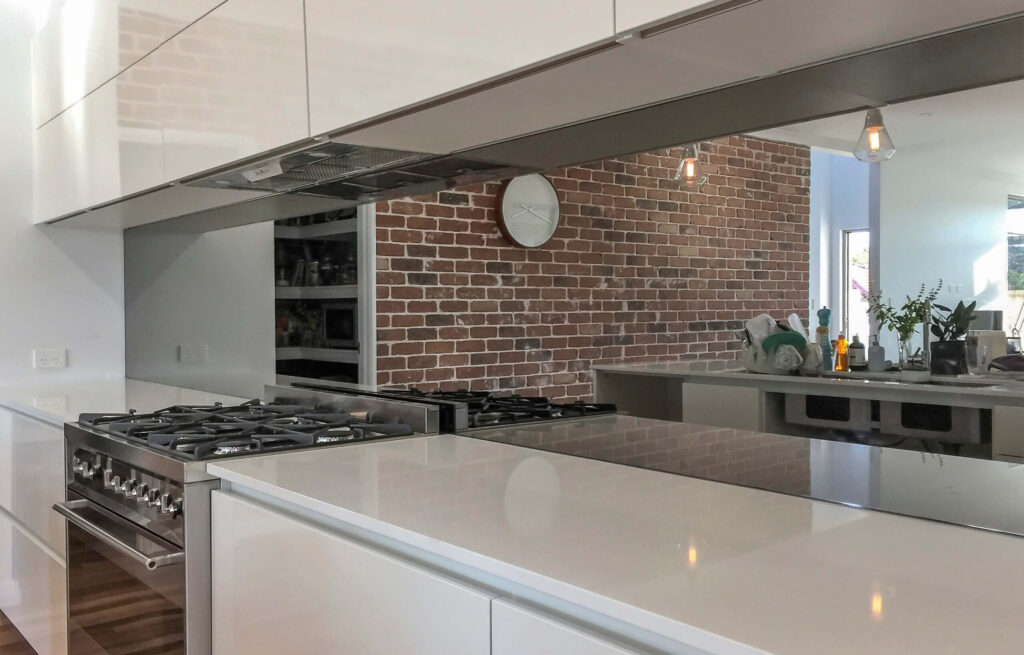
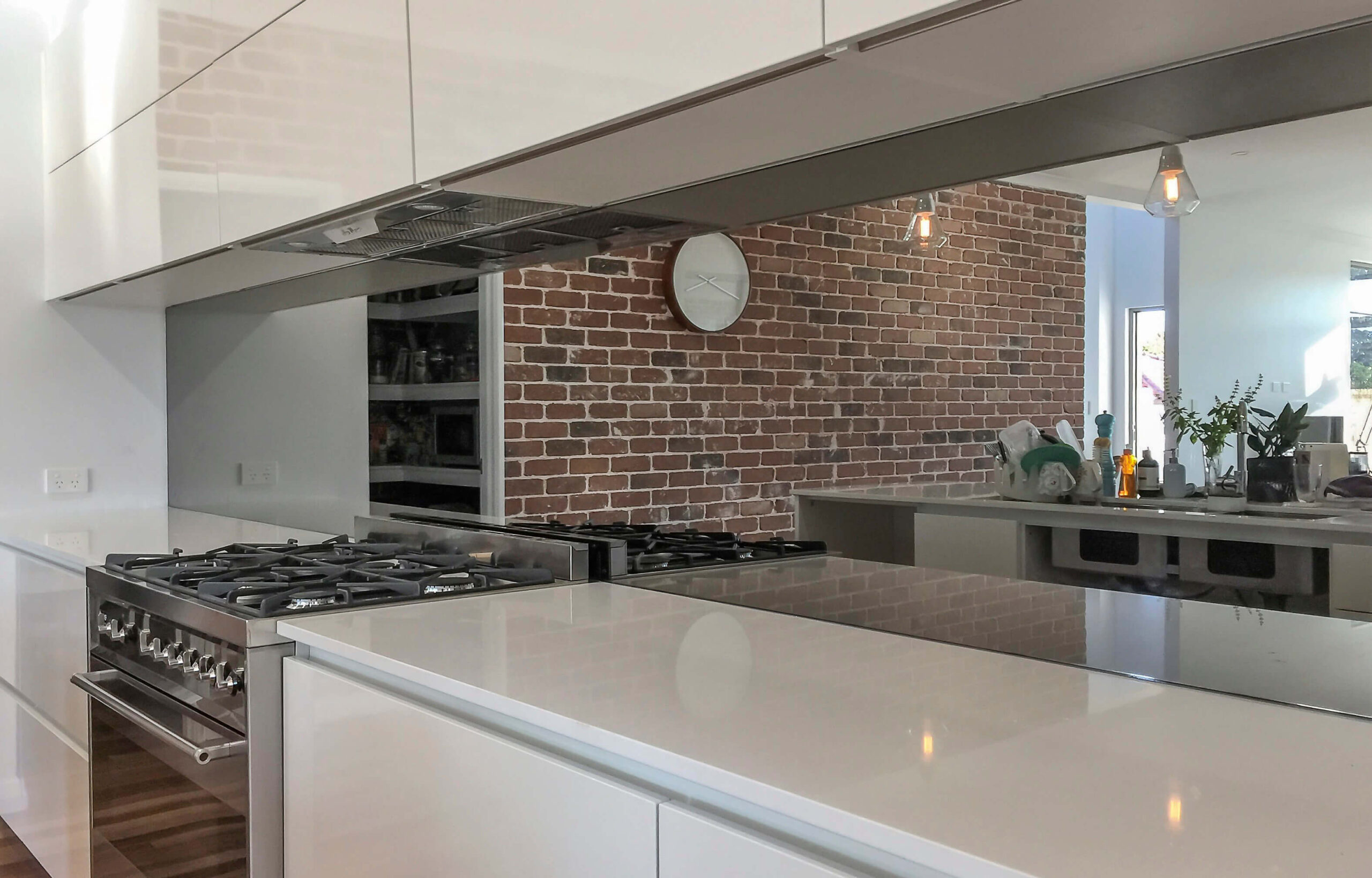
Choosing the right splashback is one of the most important decisions in a modern renovation. It affects how your room looks, how light moves through the space, and how practical your kitchen is day to day.
Two of the most popular splashback options right now are mirror splashbacks and painted glass splashbacks. Both deliver a sleek, contemporary finish—but they behave very differently once installed.
This guide breaks down the key differences, real-world pros and cons, and which option makes the most sense for Perth homes, busy kitchens, and different interior design styles.
Key Takeaways
- Mirror splashbacks amplify natural light, create visual depth, and help a room feel larger.
- Painted glass splashbacks offer clean colour control and a minimalist finish.
- Both are made from toughened safety glass, making them heat resistant and suitable behind cooktops.
- Mirror finishes shine in small space layouts and white kitchens; painted glass excels in bold colour schemes.
- Professional splashback installation is critical for cut outs, power points, and a seamless finish.
Mirror Splashbacks vs Painted Glass?
The Short Answer
Mirror splashbacks reflect light and visually expand a room, while painted glass splashbacks provide solid colour with a clean, modern look.
Both use toughened glass, are heat safe, and far easier to clean than tile splashbacks—the right choice depends on space, light, and style goals.
What Is a Mirror Splashback?
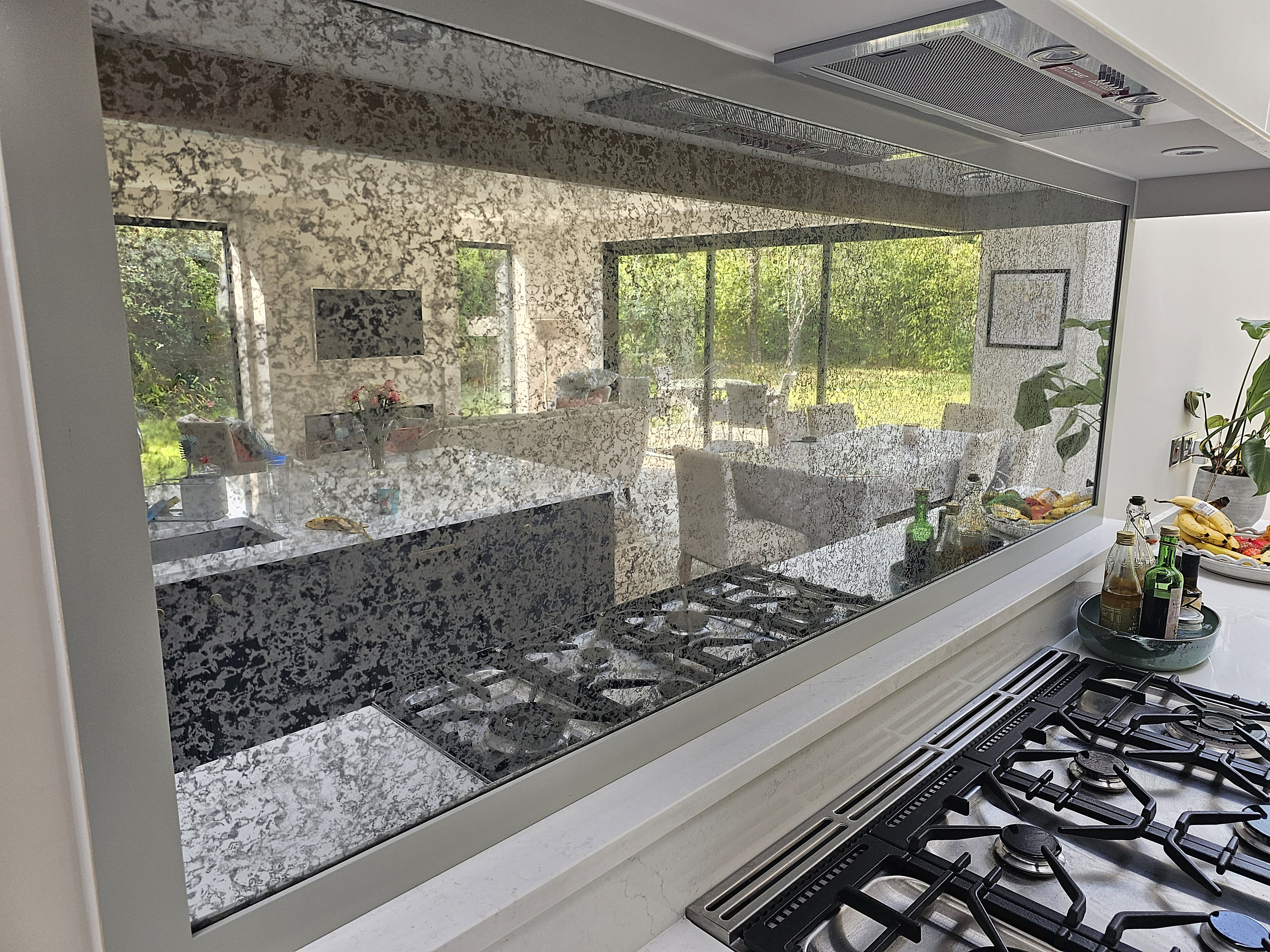
A mirrored glass splashback is made from toughened glass that’s rapidly cooled during manufacturing (also known as tempered glass) to increase strength and safety.
Instead of paint, the backing is reflective—creating a mirror surface that adds depth and brightness.
Most Significant Benefits of Mirror Splashbacks
- A highly reflective surface that spreads light throughout the room
- Makes a small space feel larger and more open
- Creates a strong focal point without adding clutter
- No grout lines, unlike tiles
- Adds a sleek and modern aesthetic with strong aesthetic appeal
Popular finishes include:
- Grey mirror splashback – subtle, neutral tone for modern kitchens
- Smoked mirror splashback – warmer, softer reflection with contemporary flair
These finishes are especially popular in mirror splashback Perth projects where light and openness matter.
What Is a Painted Glass Splashback?
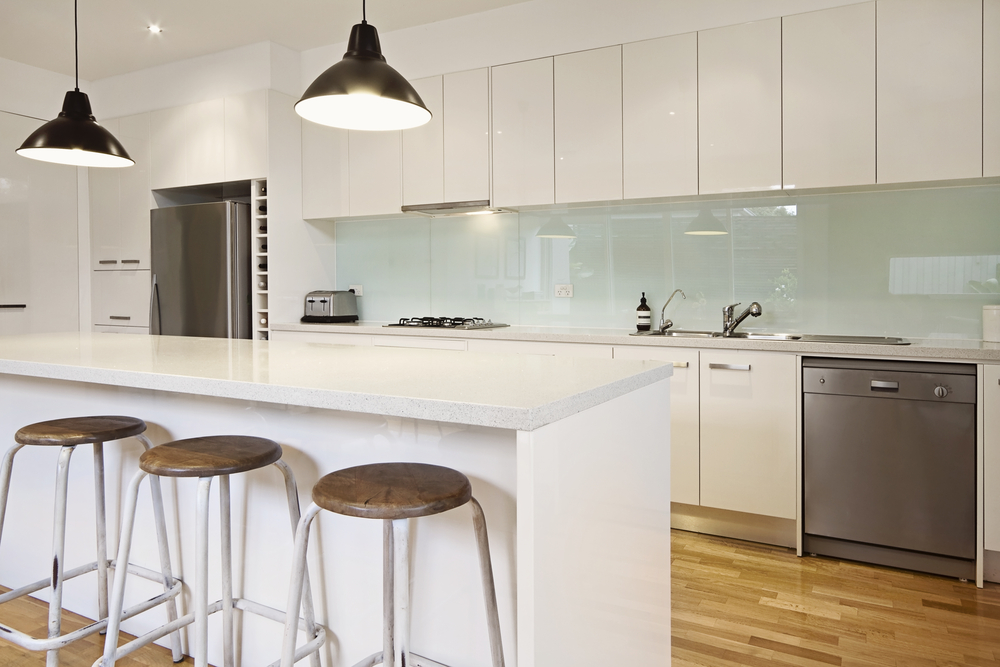
Painted glass splashbacks are also made from toughened safety glass, but the rear is coated with colour-matched paint.
They’re a practical choice when you want controlled colour rather than reflection.
Significant Benefits of Painted Glass
- Smooth, polished look with a seamless finish
- Works with bold or subtle colour schemes
- Excellent alternative to tiles in busy kitchens
- Easy cleaning with a simple wipe
- Pairs well with stone bench tops
Painted glass is ideal if reflection isn’t desired or if you want the splashback to visually “disappear” into the wall.
Cleaning & Maintenance: Mirror vs Painted Glass
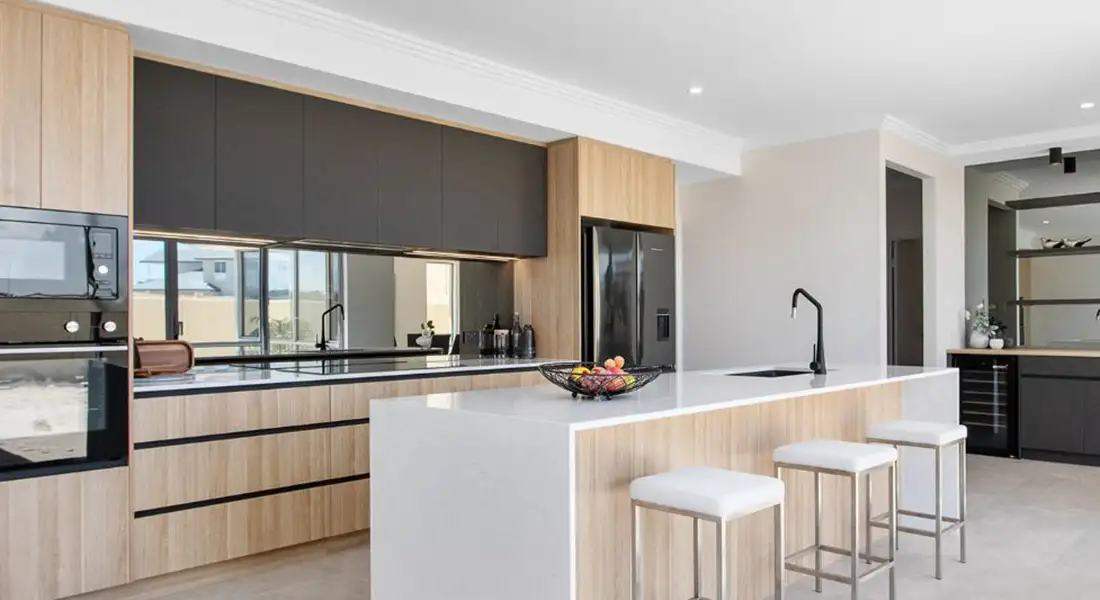
Both options outperform tile splashbacks when it comes to maintenance.
Mirror Splashbacks
- Require slightly more frequent cleaning due to fingerprints
- Clean with glass cleaner and a microfibre cloth
- A quick wipe with a damp cloth keeps them looking sharp
Painted Glass Splashbacks
- Hide smudges a little better
- Usually need a quick wipe after cooking
- No grout = no staining or mould issues
For busy kitchens, both are far easier to maintain than tiles.
Heat, Safety & Installation Considerations
Both mirror and painted glass splashbacks are:
- Made from toughened or tempered glass
- Suitable for high temperatures behind cooktops
- A safe kitchen splashback solution when professionally installed
Good splashback installation accounts for:
- Precise cut outs for power points
- Clean edges around cabinetry and wall joins
- Long-term durability against heat and moisture
Poor installation—not the material—is the usual cause of issues.
Design Impact: How Each Changes the Room
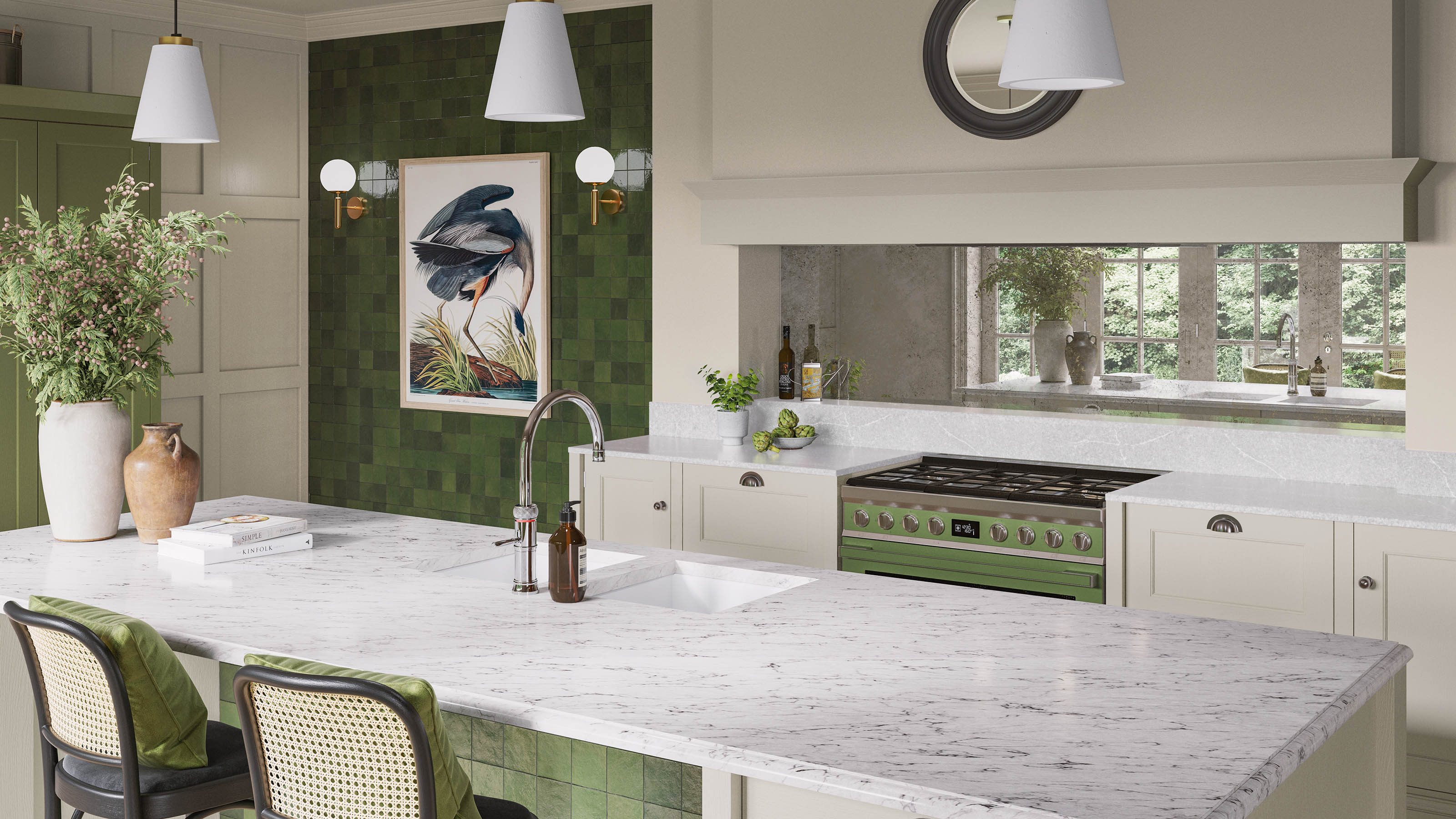

Mirror Splashbacks Excel When You Want To:
- Increase natural light
- Make the room feel larger
- Add visual interest without colour overload
- Elevate a white kitchen or neutral palette
Their reflective properties help bounce light around the space, enhancing openness.
Painted Glass Works Best When You Want To:
- Lock in a specific colour
- Keep reflections minimal
- Match cabinetry or walls exactly
- Maintain a calm, uniform wall finish
Both deliver a modern aesthetic—just in different ways.
Mirror vs Painted Glass vs Tiles
| Feature | Mirror Splashback | Painted Glass Splashback | Tile Splashbacks |
|---|---|---|---|
| Grout lines | None | None | Yes |
| Light reflection | High | Low | Low |
| Cleaning effort | Low–moderate | Low | High |
| Modern look | Excellent | Excellent | Varies |
| Seamless finish | Yes | Yes | No |
Compared to tiles, both glass options offer many benefits in durability, cleaning, and style.
Which Is the Right Splashback for You?
Choose a mirror splashback if:
- Your kitchen lacks light
- You want the space to feel bigger
- You love reflective, contemporary surfaces
Choose painted glass if:
- You want precise colour control
- Reflection isn’t desirable
- Your design relies on strong colour blocks
Both are an excellent choice—the perfect solution depends on how you want your kitchen to feel, not just how it looks.
Final Thoughts
Mirror and painted glass splashbacks both deliver unique benefits that outperform traditional splashback materials like tiles.
If your goal is to create space, bounce light, and add a stylish focal feature, mirrored glass is a great idea—especially in compact or darker rooms. If you prefer subtlety and colour control, painted glass offers a clean, modern alternative that still feels premium.
For expert advice, precise installation, and a free quote, speak with Glazewell—Perth specialists in custom mirror and glass splashbacks for kitchens, bathrooms, and other spaces.
A well-chosen splashback doesn’t just protect the wall—it transforms the entire room.